Guidelines for submitting articles to Las Terrazas Golf Resort Today
Hello, and thank you for choosing El Valle Today.com to publicise your organisation’s info or event.
Las Terrazas Golf Resort Today is a website set up by Murcia Today specifically for residents of the urbanisation in Southwest Murcia, providing news and information on what’s happening in the local area, which is the largest English-speaking expat area in the Region of Murcia.
When submitting text to be included on Las Terrazas Golf Resort Today, please abide by the following guidelines so we can upload your article as swiftly as possible:
Send an email to editor@spaintodayonline.com or contact@murciatoday.com
Attach the information in a Word Document or Google Doc
Include all relevant points, including:
Who is the organisation running the event?
Where is it happening?
When?
How much does it cost?
Is it necessary to book beforehand, or can people just show up on the day?
…but try not to exceed 300 words
Also attach a photo to illustrate your article, no more than 100kb
PROPERTY SEARCH
article_detail
Date Published: 22/04/2026
Spain's endangered 'sad duck' makes a comeback after €6.37m wetland rescue project
Wetland restoration across Murcia, Alicante and Andalucia has helped nearly quadruple breeding numbers since 2021
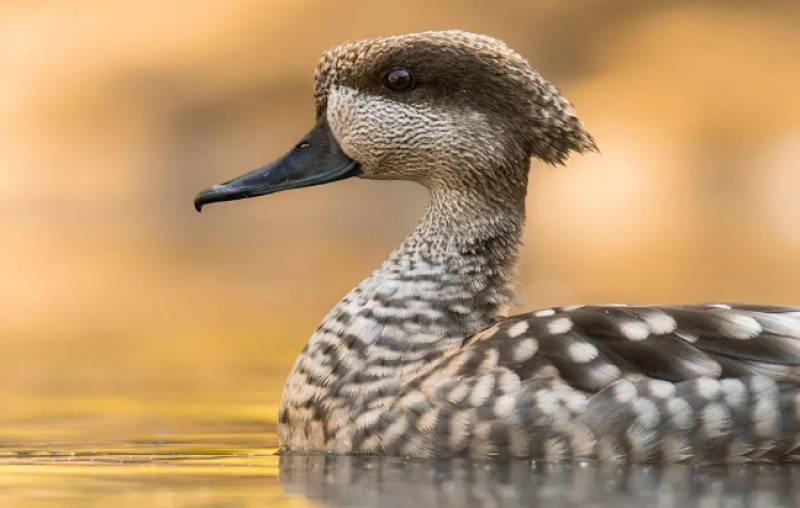
Often described as Spain’s “sad-looking” duck thanks to the dark markings around its eyes, the marbled teal is starting to show a far more hopeful story after years on the brink of disappearing from European wetlands.
A major conservation effort backed by €6.37 million in funding has helped drive a recovery for the species, which is officially Europe’s most endangered duck. The LIFE Marbled Teal project has focused on restoring more than 3,600 hectares of wetland habitat across Spain, including key areas in Murcia, Andalucia and the Valencian Community.
The results are already becoming visible. Since 2021, the breeding population has almost quadrupled, with 172 breeding females recorded with chicks in the wild, the highest figure seen in the past two decades.
In some areas, the progress is even more striking. The marbled teal has returned to parts of the Region of Murcia after a 15-year absence, while new breeding sites have also been confirmed in other restored wetlands across southern and eastern Spain.
Much of this recovery has been driven by large-scale habitat work, including water management improvements, the restoration of degraded wetland systems and the creation of safer nesting areas.
Projects in places such as El Hondo Natural Park have helped bring old ecosystems back into use, while work in river systems like the Guadalquivir has created new refuge zones during increasingly frequent dry periods.
Conservation teams have also introduced more innovative methods, including the use of GPS-equipped livestock to manage vegetation in a more natural and controlled way. This approach helps maintain suitable habitats without heavy mechanical intervention.
Alongside habitat restoration, more than 3,700 captive-bred marbled teals have been released into the wild in Spain and other parts of southern Europe. These releases have helped support population growth, although experts say long-term success depends on keeping restored wetlands in good condition.
The species still faces major pressures, including ongoing wetland loss, pollution risks, disease and occasional hunting-related threats due to misidentification. Conservation groups have also worked with hunting organisations to reduce risks and improve monitoring.
Another key part of the project has been cooperation with local farmers and landowners, with agreements in place to help balance conservation with everyday land use around wetland areas.
While scientists stress that the recovery is still fragile, the overall picture is one of cautious optimism. After years of decline, one of Spain’s most distinctive and vulnerable birds is slowly beginning to reclaim its place in the wild.