











PROPERTY SEARCH

Spotted a purple flag on the beach? Here's what it means and why you shouldn't ignore it
Spain's beach flag system could keep you safe this summer, and one colour in particular catches many people off guard
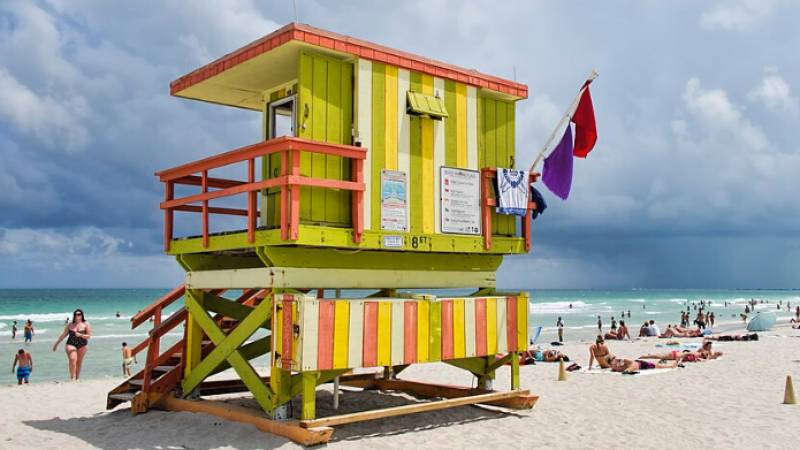 Most of us know the basics. Green means go, red means no. But spend enough time on Spanish beaches and you'll eventually spot a flag that stops you in your tracks: a purple one. It's less common than the others, and that's precisely why so many people don't know what it means.
The purple flag is a warning about dangerous marine life in the water. That could mean jellyfish, sea urchins, weever fish or blue dragons, creatures capable of causing painful stings, bites or skin irritation. If you see one flying, the advice is simple: think carefully before going in, and if you do, keep your eyes open and stay alert. It's also worth checking in with the lifeguards, keeping young children well supervised, and not touching anything that's washed up on the shore.
You might occasionally see a white flag with a jellyfish printed on it instead. That carries exactly the same warning.
The flags you're more likely to see every day
The purple flag aside, Spain's colour-coded beach flag system is one of the most straightforward safety tools available to swimmers, and understanding it properly takes only a couple of minutes.
A green flag means conditions are safe and swimming is fine, though that's never an excuse to drop your guard entirely. Yellow means proceed with caution: swimming is permitted but conditions may be tricky, and it's sensible to stay within the lifeguarded area. Red means stay out of the water. Full stop. Rough seas, strong currents, storms or pollution can all trigger a red flag, and it's there for very good reason.
Less commonly seen is the black flag, which signals that the beach itself is closed due to extreme or dangerous conditions. If you ever see one, don't test it.
Then there's the Blue Flag, which is a different matter entirely. Rather than a daily safety signal, it's an internationally recognised quality award given to beaches that meet strict standards in water quality, environmental management and visitor services. Spain leads the world on this front, receiving 677 Blue Flag beach awards in 2026, more than any other country.
The flags are there to help, not to spoil your day. A quick glance before you head into the water takes seconds and could make all the difference, particularly if that purple flag happens to be flying.
Image: wikicommons
Sign up for the Spanish News Today Editors Roundup Weekly Bulletin and get an email with all the week’s news straight to your inbox
Special offer: Subscribe now for 25% off (36.95 euros for 48 Bulletins)
OR
you can sign up to our FREE weekly roundup!
Read some of our recent bulletins:
Discount Special Offer subscription:
36.95€ for 48 Editor’s Weekly News Roundup bulletins!
Please CLICK THE BUTTON to subscribe.
(List price 3 months 12 Bulletins)
Read more stories from around Spain: